

Hear all about it.

Phonak EON Launch: New Technology for Everyday Hearing
On Wednesday 9 September 2026, I attended the Phonak EON launch at CodeNode in London. Coming just days after my visit to the Signia MaX launch, it was another opportunity to explore how hearing technology is developing and what those changes could mean for people with hearing loss.
With any new hearing aid, the most useful question is a practical one: how could it help in daily life? Following a conversation over dinner, hearing someone speaking from beside you, or taking a phone call should all feel as straightforward as possible.

Signia MaX: A New Generation of AI Hearing Technology
On Friday 4th September, I attended the UK launch of Signia’s latest hearing aid technology at the spectacular Concorde Conference Centre in Manchester.

What Does Independent Hearing Care Really Mean?
When choosing a hearing care provider, you may notice that some clinics describe themselves as “independent.” But what does that actually mean, and why might it matter when you are choosing hearing aids?



Becoming a Clinical Audiologist in the UK: Training Routes Explained
If you have ever considered a career helping people hear better, improve communication, and enhance quality of life, becoming a Clinical Audiologist could be an excellent path. Audiology is a rewarding healthcare profession that combines science, technology, patient care, and problem-solving.
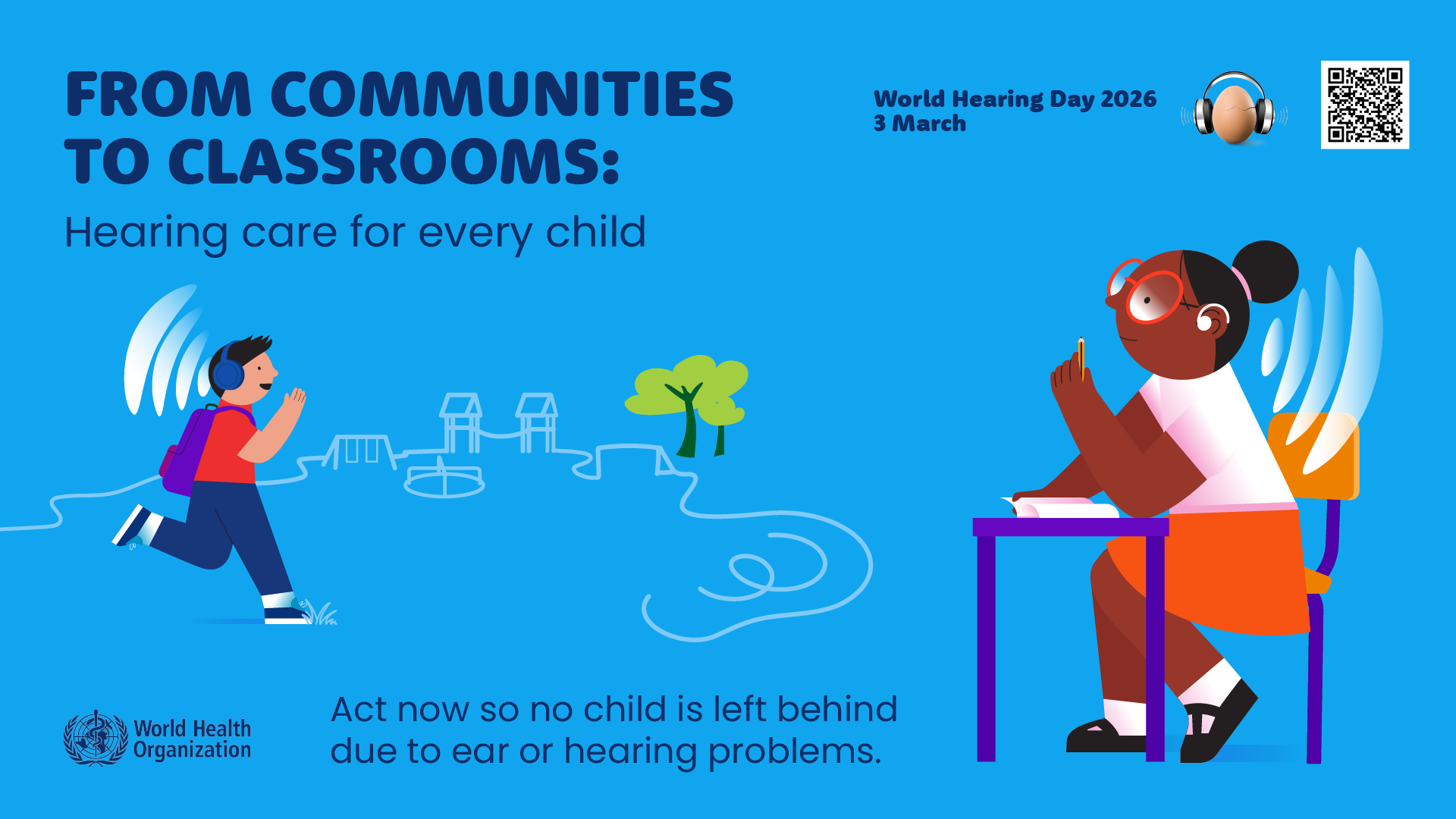
World Hearing Day 2026: Hearing Care for Every Child
Today (3rd March) marks World Hearing Day, an annual campaign led by the World Health Organization (WHO) to raise awareness about hearing loss and promote ear and hearing care across the globe.



Auditory Fatigue: Why Listening Can Be Exhausting (and How Hearing Aids Can Help).
For many individuals with hearing loss, the impact extends beyond difficulty following conversations. A frequently overlooked consequence is auditory fatigue, a form of mental and physical exhaustion caused by the increased effort required to listen and make sense of speech.
This phenomenon is particularly evident in busy environments, such as restaurants, workplaces, or group settings. Patients often describe feeling disproportionately tired after social interactions, despite appearing to manage well. Understanding why this occurs, and how modern hearing aids can help, is an important step in addressing the wider effects of hearing loss.
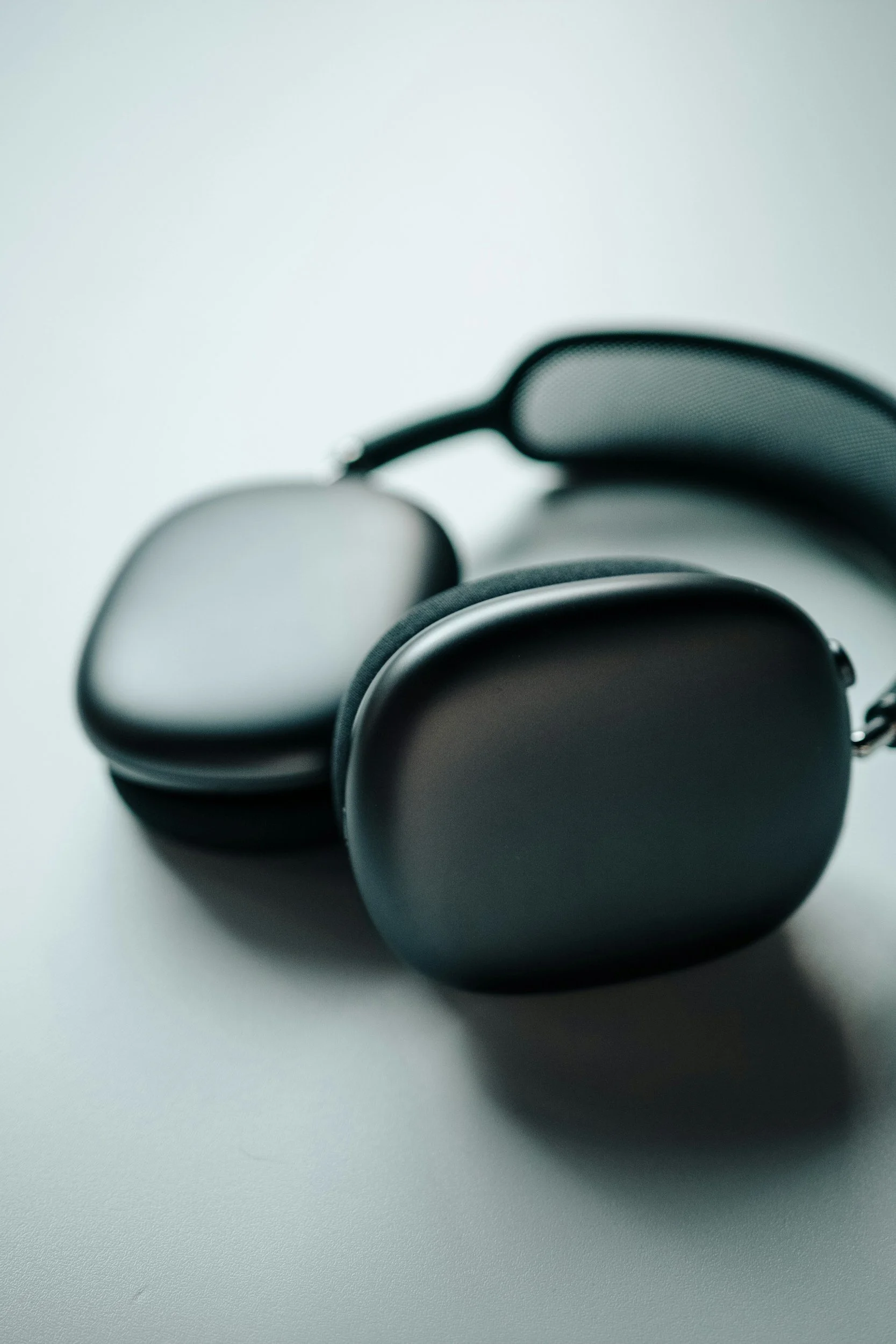
Safe Listening Levels: How Loud Is Too Loud?
A Guide to Protecting Your Hearing, Based on WHO Guidance*
We live in a world full of sound - music, traffic, podcasts, tools, appliances, and the constant ping of notifications. But while our ears are incredibly sophisticated, they’re also surprisingly delicate. Exposure to loud noise is one of the leading causes of preventable hearing loss, and the World Health Organization (WHO) has published clear guidance on how to listen safely.
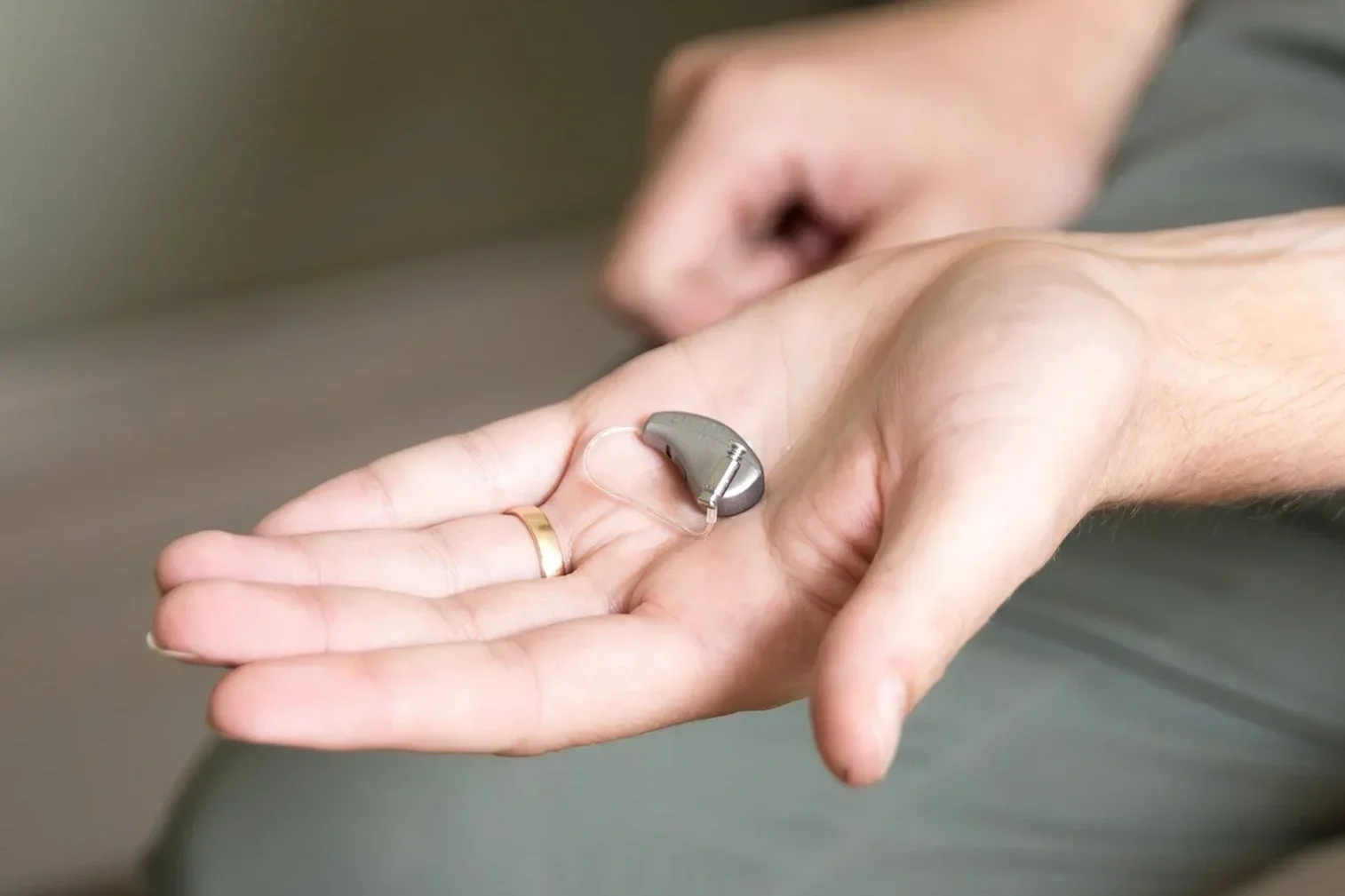
How Reliable Are Hearing Aids?
When investing in hearing aids, one of the most common questions people ask is: “How reliable are they?” After all, hearing aids are not only a financial investment but also a lifeline to clearer communication, confidence, and quality of life.
The good news is that modern hearing aids are remarkably reliable. Built with advanced technology and miniaturised components, today’s devices are designed to withstand everyday use. However, as with any piece of technology, reliability depends on a few key factors: the form factor, how well the devices are cared for, and the level of aftercare support available.
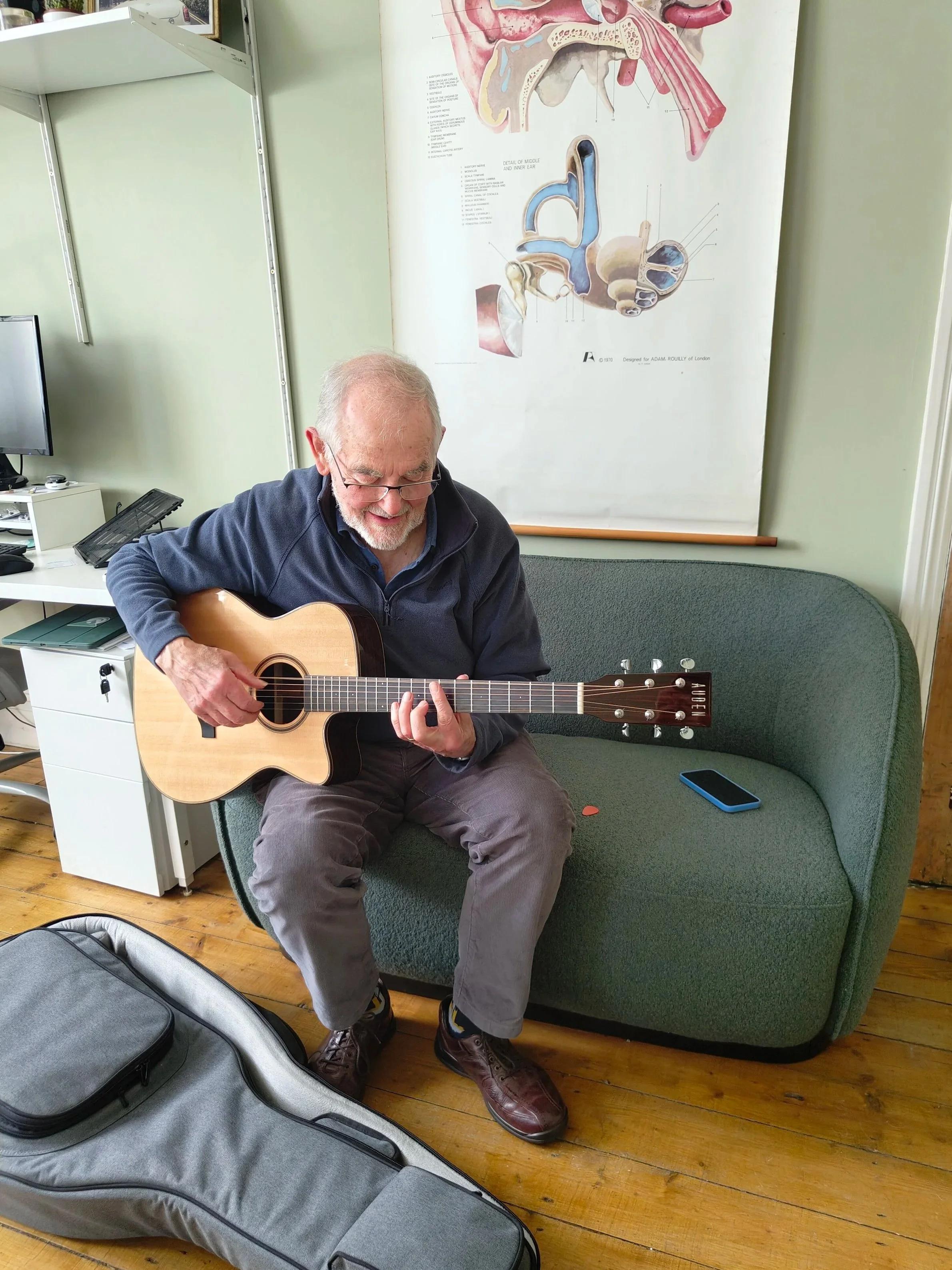
Hearing Aids and Music: Finding Joy in Sound Again
For many people, music is more than just entertainment — it’s emotional, cultural, and deeply personal. Whether it’s the melody of a favourite song, the rhythm of a live performance, or even singing with family and friends, music enriches our lives. But if you wear hearing aids, you may have noticed that listening to music can feel different compared to natural hearing.
So why is that? And how can hearing aids help you reconnect with music in the way you remember?

Atresia: A Closer Look at This Rare Ear Condition
Atresia is a rare condition that affects the ear, typically present from birth. At High Peak Hearing, we believe in raising awareness and offering support for individuals living with hearing differences — and understanding conditions like atresia is an essential part of that mission.

Understanding Ménière’s Disease: When Your World Won’t Sit Still
Ménière’s disease is one of those inner ear conditions that can feel as mysterious as it is unsettling. For those who live with it, it’s not just about hearing loss — it’s the sudden spinning, the feeling of fullness in your ear, and the constant ringing that can really turn your world upside down.

Understanding Auditory Neuropathy: When Hearing and Understanding Don’t Match
Auditory Neuropathy Spectrum Disorder (ANSD) is a hearing condition that may sound confusing at first — and that’s because it is. People with this disorder can often detect sounds, yet struggle to understand them, particularly in noisy environments. In this blog, we’ll explain what ANSD is, how it affects hearing, and what treatment options are available.

What Is the Acoustic Reflex – And Why Does It Matter?
The acoustic reflex (also known as the stapedius reflex) is your ear’s natural response to loud sounds. When your ears detect a sudden noise — typically above 70 to 100 decibels — a tiny muscle in your middle ear called the stapedius contracts.

What is Surfer's Ear? Understanding the Condition and How to Prevent It
If you’ve spent time in the water as a surfer, swimmer, or even a cold-water enthusiast, you may have heard the term “Surfer’s Ear.” While it might sound like a badge of honour for wave chasers, it’s actually a serious condition that can affect your hearing and quality of life. In this blog, we’ll explain what Surfer’s Ear is, what causes it, and how you can prevent it while continuing to enjoy your time in the water.

Why are my hearing aids whistling?
Hearing aids whistle due to acoustic feedback. This occurs when the sound that’s been amplified by a hearing aid escapes from the ear canal and loops back into the device’s microphone. This creates a feedback loop, which often results in a whistling, squealing, or buzzing sound.
Think of it like holding a microphone too close to a speaker at a concert—it creates that same piercing squeal.

Understanding the Occlusion Effect in Hearing Aids
If you’ve ever worn hearing aids and felt like your own voice sounds strangely loud, echoey, or “boomy,” you're not alone. This common experience is known as the occlusion effect, and it’s something many new hearing aid users notice—especially in the early days of wearing their devices.